You hand in your resignation. Your manager asks you to hold off for a day. The next morning, they come back with more money, a new title, or both. Suddenly the job you were ready to leave looks a lot more appealing.
I see this play out constantly. Counteroffers have become a standard retention move, especially in a tight market where replacing someone is expensive and slow. If you are weighing one right now, I want to walk you through what is actually happening on the other side of that conversation and how to think it through clearly.
A quick note on the numbers you will find elsewhere. You have probably seen the claim that some large percentage of people who accept counteroffers leave within six months. That figure gets repeated everywhere and traces back to no credible source that I have ever been able to find. I am not going to quote statistics I cannot stand behind. What I can offer is what I have watched happen, repeatedly, from the recruiter’s seat.
Why Your Employer Is Making the Offer
Start by understanding the motive, because it changes how you read the offer.
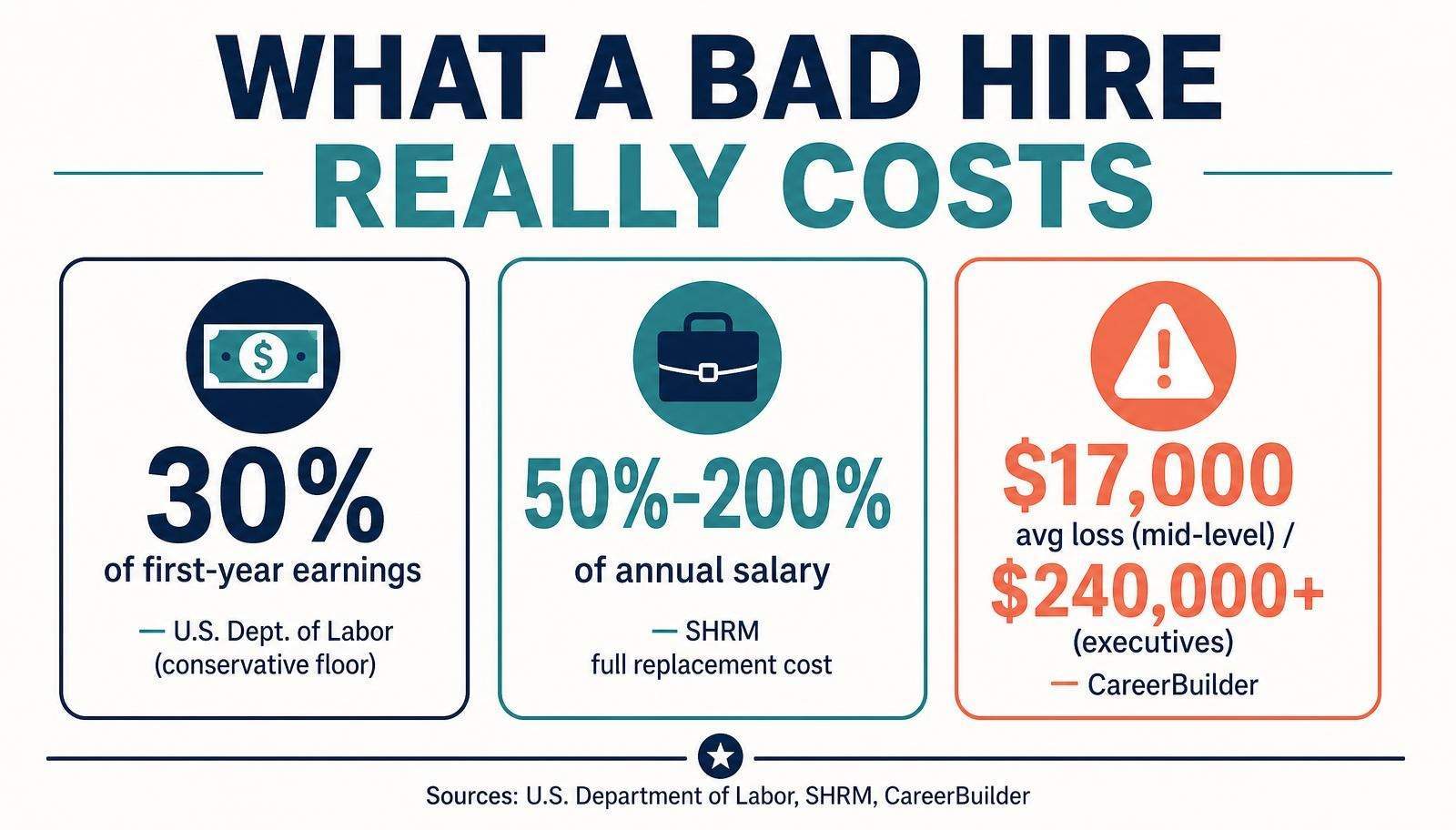
When you resign, your employer faces immediate, concrete costs. They lose institutional knowledge. Projects stall. The team absorbs your workload. They have to run a search, which takes weeks or months, and then onboard someone who will not be productive for a while after that. In the short term, keeping you is almost always cheaper and easier than replacing you.
That is not cynicism. It is just math. A counteroffer is a business decision made under time pressure, and it solves your employer’s immediate problem. Whether it solves yours is a separate question entirely.
The Question That Cuts Through Everything
Here is the one I ask candidates who call me after a counteroffer lands.
Why did it take a resignation to get this?
If your company could pay you more, promote you, or change your role, and only did so when you threatened to walk, that tells you something important about how compensation and advancement work there. It suggests the system is reactive rather than proactive. Which means the next time you want a raise, you may need to go get another offer to trigger it.
Some people are comfortable with that. Most find it exhausting.
Money Is Rarely the Actual Reason
When I ask candidates why they started looking, salary is almost never the first answer. It comes up, but underneath it there is usually something else. A manager they do not respect. Work that stopped being interesting. A promotion that kept getting deferred. A culture that wore them down. A commute that ate their life.
A counteroffer addresses the number. It rarely addresses any of that.
So the honest test is simple. Write down the real reason you started interviewing. Not the polite version you gave in your resignation meeting. The actual reason. Then ask whether the counteroffer fixes it. If your issue was your manager and the counteroffer is a raise, you now have a slightly better paid version of the same problem.
What Changes After You Accept
This is the part people underestimate. Accepting a counteroffer is not a neutral act. It changes how your employer sees you.
You have demonstrated that you were willing to leave. Some managers handle that maturely and move on. Others quietly reclassify you as a flight risk. That can affect which projects you get, whether you are considered for succession planning, and how you are viewed if the company later has to make hard decisions about headcount.
It also changes your relationship with the company you turned down. Recruiters and hiring managers have long memories, and the DFW market is smaller than people think. Backing out after accepting an offer, in particular, can close a door you might want open in two years.
When a Counteroffer Actually Makes Sense
I want to be fair here, because the standard recruiter advice is to always refuse, and that is too simple. There are situations where accepting is the right call.
- Your real reason for leaving was genuinely compensation, and the new number closes the gap
- The offer includes a structural change, such as a different manager, team, or scope of work, that addresses the actual problem
- The commitment is documented in writing with a specific timeline, not promised verbally
- You were mostly happy and the outside offer was opportunistic rather than an escape
- Your personal circumstances changed during the process and staying now fits your life better
Notice how many of those depend on the offer being specific and written down. A vague promise that things will get better, or that you are next in line for a promotion, is not a counteroffer. It is a delay tactic. If the commitment matters enough to keep you, it matters enough to put in an email.
How to Handle the Conversation
Whatever you decide, handle it professionally. You will run into these people again.
Ask for time
You do not have to answer in the room. Say you appreciate the offer, you take the decision seriously, and you would like a day to think it through. Anyone who pressures you to decide on the spot is telling you something about how they operate.
Get it in writing
Ask for the revised terms in writing before you commit to anything. Salary, title, reporting line, scope, and effective date. If the answer is that they will sort out details later, treat that as your answer.
Tell the other company directly
If you decide to stay, call the company whose offer you are declining. Do not go quiet and let the start date pass. A short, honest conversation preserves a relationship. Silence burns it. The same principle applies to hiring managers on the other side, which I wrote about in my guide to evaluating a job offer. Clear communication protects you in both directions.
For Employers: The Counteroffer Is a Symptom
If you are on the hiring side and you find yourself making counteroffers regularly, that pattern is worth examining.
A counteroffer means someone got far enough into a job search to receive and consider an outside offer. By that point, you are solving the problem at its most expensive stage. The cheaper, more durable fix is addressing compensation and career growth before people start looking. That is the core of what I wrote about in why retention has become the new recruiting. Companies that review pay proactively and have honest career conversations do not end up in bidding wars for their own employees.
There is also a fairness issue. When the only reliable way to get a raise is to interview elsewhere, you reward the people willing to job hunt and penalize the loyal ones. Over time, that shapes who stays.
Frequently Asked Questions
Should I use an outside offer just to get a raise?
I would not recommend it. If you go through a full interview process with no intention of accepting, you burn goodwill with that company and with any recruiter involved. You also risk your current employer calling the bluff. If you want a raise, make the case directly, with market data and your contribution. That conversation is less dramatic and more repeatable.
Is it unprofessional to accept a counteroffer?
Not at all, as long as you have not already accepted the other offer. Weighing your options is reasonable. What causes real damage is accepting a written offer and then reneging after your employer counters. That is the version people remember.
What if my employer gets upset that I interviewed?
Their reaction is information. A manager who responds with a real conversation about what you need is worth staying for. One who treats it as a betrayal has told you how the next few years will go. Pay attention to how they handle it, not just what they offer.
How long should I take to decide?
A day or two is reasonable and normal. Longer than that starts to strain both companies, especially the one waiting on your start date. If you need more time, say so directly and give a specific date rather than going quiet.
The Bottom Line
A counteroffer is not a trap, and it is not automatically a mistake. It is a decision that deserves the same clear thinking you gave the original offer.
Go back to why you started looking. Ask whether the counteroffer genuinely fixes that. Get any commitment in writing. Then decide based on where you actually want to be in two years, not on which conversation feels most comfortable this week.
If you are working through one and want to think it out with someone who has seen both sides of the table, that is a conversation I always make time for.