Every week, I talk to hiring managers across Texas who are frustrated. They have open engineering roles that have been posted for 60, 90, sometimes 120 days. Strong candidates get three offers before they even finish interviewing. And companies that move slowly? They lose every time.
I have spent over a decade placing engineers across Dallas, Houston, Austin, and San Antonio. What I am seeing right now is the tightest talent market in my career. But some companies are still hiring well. The ones that win are doing things differently, and I want to share exactly what that looks like.
Why Texas Has an Engineering Talent Problem Right Now
Texas added more jobs than any other state over the past three years. That sounds great until you realize engineering education pipelines have not kept pace. Universities across Texas graduate roughly 20,000 engineers per year. But the demand from tech, energy, aerospace, manufacturing, and defense has created a gap that local supply simply cannot fill.
Companies like Texas Instruments, Samsung, Apple, SpaceX, and hundreds of smaller firms are all fishing in the same small pond. I wrote about the broader national picture in Will We Reach 14.4 Million Jobs by December 2025? The short version: hiring demand has outpaced supply in ways that are not correcting quickly.
Add remote work into the mix, and it gets more complicated. Texas engineers now get competitive offers from California companies willing to pay Bay Area salaries for Texas-based remote work. Your local competition is no longer just down the street. It is everywhere.
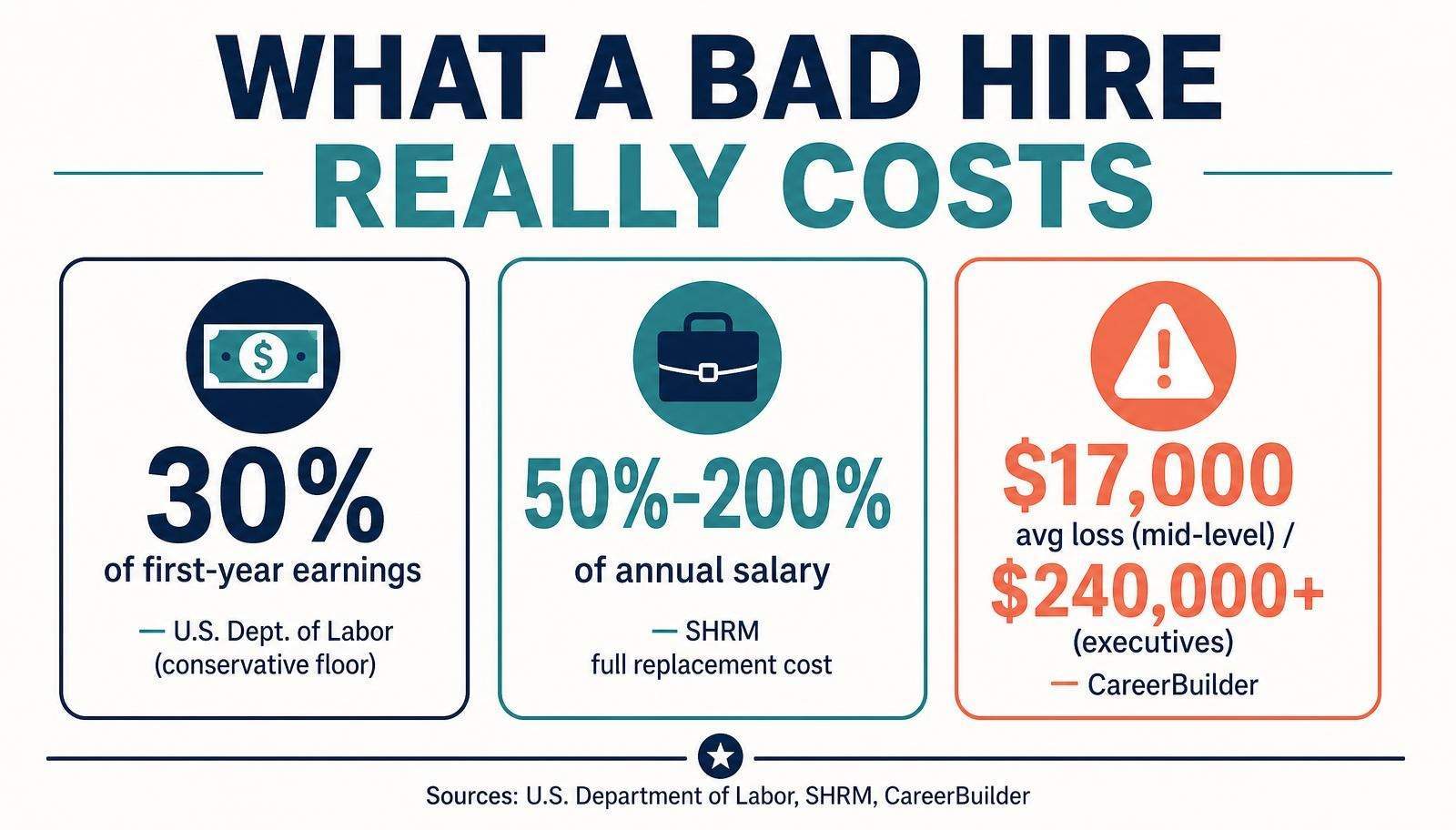
The result? Average time-to-fill for mid-level engineering roles in Texas has stretched to 68 days. Senior positions routinely take longer. And the longer a role stays open, the more it costs you in lost productivity, team burnout, and deferred projects.
What the Winning Companies Are Doing
After working with hundreds of clients across Texas, I have identified a clear pattern. The companies that hire great engineers consistently do these things.
They Move Fast and Commit to It
Speed is not a nice-to-have. It is your most powerful recruiting tool.
The engineers worth hiring are not sitting around waiting. They are passively open to the right opportunity, and they expect a professional, efficient process. When you take three weeks to schedule a second round, you are sending a signal. It says your company is disorganized, indecisive, or bureaucratic.
The best companies I work with have defined hiring processes with tight timelines. They target five to seven business days from first interview to offer. Some move even faster for senior roles.
They Know What They Actually Need
I ask every new client the same question: “If your ideal candidate started Monday, what would they work on in their first 90 days?” Most hiring managers pause. That pause tells me a lot.
Vague job descriptions attract vague candidates. When you write a posting that says “seeking a motivated team player with 5+ years of engineering experience,” you are describing nobody in particular. Strong candidates scroll past. They want to know what problems they will solve, what tools they will use, and what success looks like.
The best job posts I see from Texas clients are specific. They name the tech stack, the project type, the team structure, and the honest challenges. That specificity signals respect for the candidate’s time and filters out people who are not a real fit.
They Compete on Total Value, Not Just Salary
Texas does not have a state income tax, and that is a real benefit. But engineers know that. You cannot use it as a substitute for competitive compensation.
What you can do is build a total package that adds up to something meaningful. Here is what I see working in the current Texas market:
- Base salary at or above market (use real data, not old benchmarks)
- Signing bonuses to bridge the gap if base is below a candidate’s target
- Flexible work arrangements, whether remote, hybrid, or flexible hours
- Growth paths with clear timelines and honest conversations about advancement
- Meaningful work with ownership and autonomy
- Benefits that actually cover engineers and their families
One thing I push back on regularly: the idea that engineers only care about money. They care about money AND the work. A candidate who has two offers within $10,000 of each other will almost always choose the role that feels more interesting and more respected. Investing in learning and development is one of the most underrated retention tools a company can offer engineers, and candidates notice when it is built into the culture from day one.
They Build a Talent Pipeline Before They Need It
Reactive hiring is expensive hiring.
Companies that call me with a role they needed filled yesterday are always at a disadvantage. They pay more, wait longer, and sometimes make compromises they regret. The companies that hire consistently well treat recruiting like a business function, not an emergency service. They stay in contact with candidates they met at job fairs six months ago. They keep warm relationships with former employees. They have a referral program that actually pays and actually gets used.
In Dallas and Houston especially, the engineering community is smaller than people think. A good reputation for treating candidates well travels fast. So does a bad one.
The Texas Markets I Watch Closely
Not all Texas cities are the same from a recruiting standpoint. Here is what I see on the ground.
Dallas-Fort Worth is the most competitive market in the state for mechanical, electrical, and software engineers. The sheer density of corporations headquartered here means constant demand. I covered the current hiring environment in detail in my 2026 Dallas-Fort Worth Salary Guide, including what roles are commanding the biggest increases right now. If you are benchmarking comp in DFW, that is the place to start. And if you want to understand how slowing job growth in Dallas is changing recruiter strategy in 2026, that piece lays out how the market is shifting and what smart hiring managers are doing differently.
Austin has cooled slightly from its 2021 and 2022 peak. Some tech layoffs added a little supply, but demand from semiconductor and clean energy sectors is filling that gap quickly. The engineers who left are finding work within weeks.
Houston remains the center of energy engineering in North America. Petroleum, chemical, and process engineers are in extremely short supply. The energy transition is creating demand for engineers who understand both legacy fossil fuel systems and new energy infrastructure. That overlap is rare and expensive.
San Antonio is growing fast in cybersecurity and defense engineering, driven by military installations and a growing defense contracting presence. Competition for cleared engineers is brutal. If you need someone with an active security clearance, budget for a premium and expect a long search.
Common Mistakes That Cost Texas Companies Good Engineers
I see these patterns repeatedly, and I feel obligated to call them out.
Lowball offers followed by negotiation theater. Candidates remember the first number you give them. Coming in 20% below market and then “meeting them in the middle” does not build goodwill. It builds distrust.
Too many interview rounds. Four or five rounds for a mid-level engineering role is not thorough. It is exhausting and disrespectful to candidates who are employed and taking time off to interview. Two to three focused rounds, designed well, tell you everything you need to know. The art of the interview is knowing what you are actually trying to learn at each stage, and cutting everything that does not serve that goal.
Ghosting after interviews. This damages your employer brand in ways you will not measure but will feel for years. If you are not moving forward with a candidate, tell them promptly. The engineering community in Texas is not that large. People talk.
Requiring skills that do not match the role. I regularly see job posts requiring five years of experience in a technology that has only existed for three. It signals that whoever wrote the job description was not close to the actual work. Engineers notice.
Inflexible remote policies in a remote-friendly market. If your direct competitors are offering hybrid or remote options and you require five days in the office, you need a compelling reason. “That’s how we’ve always done it” is not compelling.
What to Pay Engineers in Texas Right Now
I get asked about salary ranges constantly, so here is an honest, current snapshot based on roles I have filled in the past 12 months. These are approximate base salaries for experienced engineers in Texas’s major metro areas.
| Role | Mid-Level (5–8 yrs) | Senior (9+ yrs) |
|---|---|---|
| Software Engineer | $130,000 – $160,000 | $160,000 – $210,000+ |
| Mechanical Engineer | $95,000 – $125,000 | $125,000 – $165,000 |
| Electrical Engineer | $100,000 – $135,000 | $135,000 – $175,000 |
| Controls / Automation Engineer | $110,000 – $140,000 | $140,000 – $180,000 |
| Petroleum Engineer | $120,000 – $155,000 | $155,000 – $200,000+ |
| Process / Chemical Engineer | $105,000 – $140,000 | $140,000 – $180,000 |
These numbers shift based on industry, specific skills, clearance requirements, and company size. Use them as a directional guide, not a fixed rule. When in doubt, err toward the top of the range for candidates you genuinely want.
Frequently Asked Questions
How long should I expect an engineering search to take in Texas?
For a well-defined role with competitive compensation, budget four to eight weeks from kickoff to accepted offer. Senior or specialized roles can take longer. If you are not getting strong candidates in the first two weeks of active search, something needs to change, whether that is the comp, the requirements, or the process.
Should I use a staffing firm or hire directly?
Both work. Direct hiring through your internal team or referrals is ideal when you have time and a strong employer brand. A specialized recruiting firm is worth the investment when you need speed, confidentiality, access to passive candidates, or expertise in a niche area. Firms that specialize in your industry will outperform generalists.
How do I compete with larger companies that can pay more?
Culture, mission, autonomy, and career growth are real differentiators. Engineers at large corporations often feel like a small part of a large machine. If you can offer ownership of meaningful projects, fast advancement, and direct access to leadership, that matters. Be honest about what you offer. Authenticity beats spin.
What does a strong engineering job description include?
A brief, honest summary of the company and team. A specific list of what the engineer will work on in the first six to twelve months. The actual tech stack or tools they will use. Compensation range (yes, include it). The interview process and timeline. Honest notes about the work environment.
Is remote work expected for engineering roles in Texas?
It depends on the role. Software engineers have strong expectations for remote or hybrid flexibility. Hands-on roles in manufacturing, energy, or field engineering are typically on-site by necessity. For office-based engineering functions, hybrid is increasingly the standard. Companies offering fully remote work have a recruiting advantage for non-hands-on roles.
How to Get Ahead of This
The talent shortage is not going away. Texas will keep growing, demand will keep climbing, and the engineers graduating today will have more options than ever.
The companies that win long-term treat recruiting as a competitive strategy rather than a necessary task. They invest in their employer brand, build genuine relationships with engineering talent, and run hiring processes that respect candidates’ time.
If your current approach is not working, or if you have roles that have been open for months, reach out directly. Let’s take a look at your specific situation together.